
PBS National News Featured Counterforce Health for Fighting Health Insurance Denials Using AI
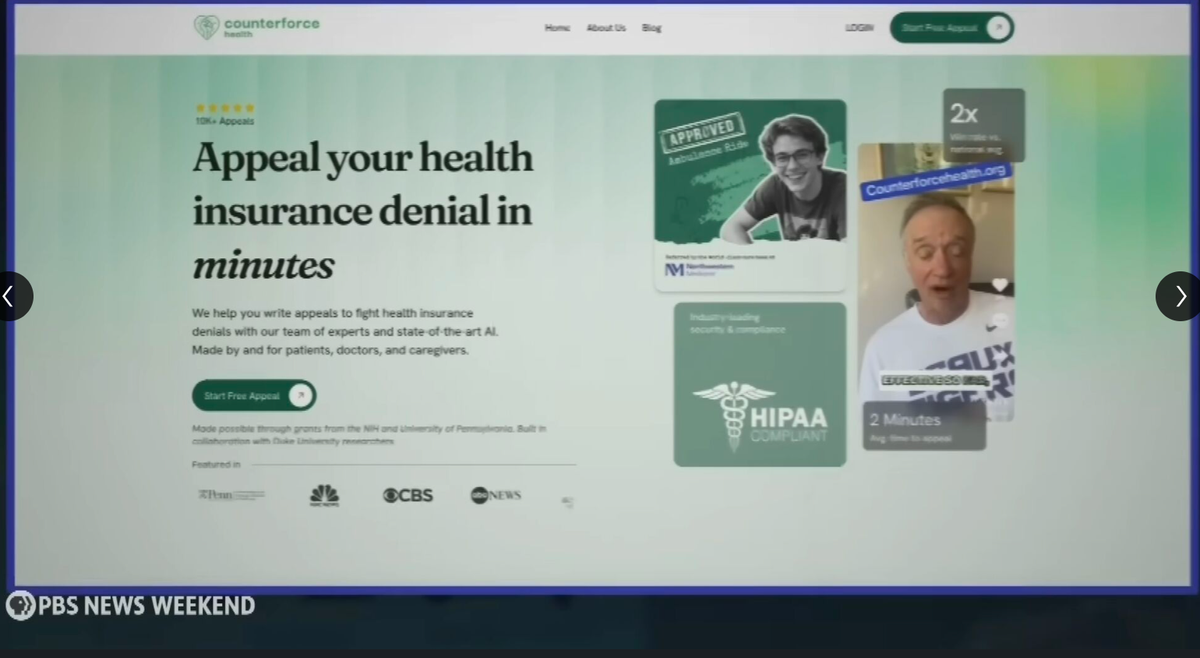
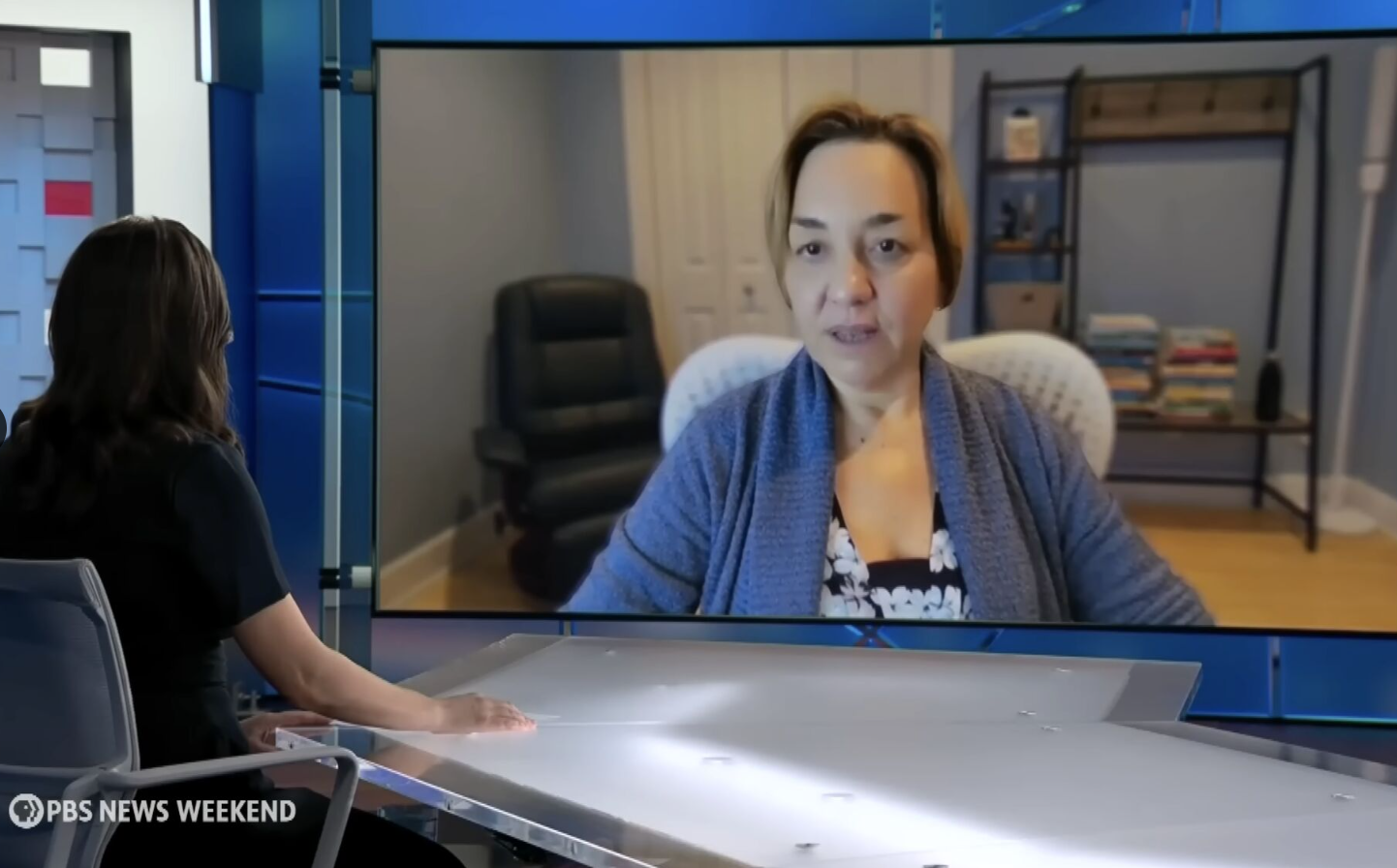
It is a defining moment for any founder when America’s most trusted news outlet turns its lens on the exact problem you have dedicated your life to solving. This evening, PBS News ran a major investigation into a silent crisis affecting millions of American families: the aggressive, often unchecked use of Artificial Intelligence by health insurers to deny claims. But the story did not end with the problem. When the report shifted focus to show how patients are finally fighting back, Counterforce Health was leading the charge.
Seeing our platform demonstrated on national television was about more than just brand exposure; it was a validation of our core thesis. PBS showed exactly how a patient can initiate an appeal directly through our AI, proving that the era of accepting "no" without a fight is coming to an end.
The Asymmetry of the American Healthcare System
Why did PBS News choose to highlight this specific issue now? The answer lies in the overwhelming scale of the problem. For years, the healthcare system has been engaged in a deeply asymmetric battle. On one side, multi-billion dollar insurers are equipped with sophisticated "batch denial" algorithms capable of scanning thousands of claims and rejecting them in milliseconds—often without a human doctor ever reviewing the medical file. On the other side are patients who are sick, tired, and drowning in administrative paperwork.
The statistics cited by KFF News paint a stark picture of this imbalance. In a single year, approximately 73 million in-network claims are denied. Yet, perhaps the most devastating statistic is that less than 1% of patients ever file an appeal. This gap exists not because the denials are valid, but because the process of appealing is designed to be so exhausting and complex that families simply give up. For insurers, this apathy is a revenue model; for patients, it is a tragedy.
Democratizing the Fight: AI for the People
The narrative has finally shifted. For the last decade, AI in healthcare was the insurers' secret weapon, allowing them to scale denials faster than any human team could hope to review. Counterforce Health exists to equalize that power. As the PBS segment highlighted, we have reached a turning point where patients finally have AI of their own.
We built this platform to ensure that no family has to accept a denial simply because they lack the legal expertise, time, or emotional energy to navigate the bureaucracy. By automating the appeals process, we handle the heavy lifting—reading the denial codes, cross-referencing medical necessity guidelines, and generating evidence-backed arguments. We are taking that sub-1% appeal rate and aiming to push it dramatically higher, turning a manual, demoralizing struggle into a fair fight.

Why We Choose to Be Free
One of the most critical aspects of our mission, which underscores everything we do, is our business model regarding patient access. We made a conscious decision to make this tool completely free for patients. Access to the healthcare you are entitled to should never come with a price tag, and fighting for your life should not require a law degree or deep pockets.
We built Counterforce Health to give every family a fighting chance. If we were to charge patients for this service, we would simply become another barrier to care in an already inaccessible system.
A Message to Our Community
To the thousands of patients, clinics, and caregivers who are already using Counterforce Health: deep gratitude goes out to you. You are the reason this story is being told on a national stage. You are the living proof that when given the right tools, patients can and will advocate for themselves effectively.
This PBS feature is just the beginning. If you know a patient who is struggling with a denial, or an organization that wants to join our mission to level the playing field, please reach out. My DMs are open, and our team is ready to help.
The technology to fight back is here, and for the first time, it is in the hands of the patients.